
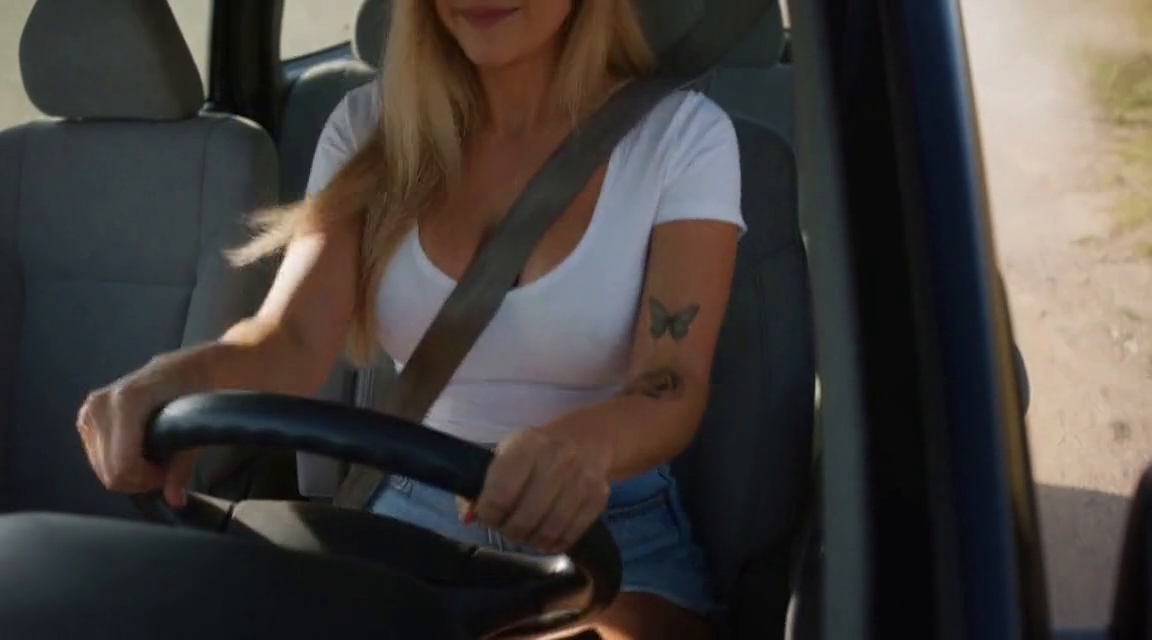
I used to white knuckle it the second the pavement ran out, and figuring out how to drive on gravel roads changed that completely. Gravel is its own surface, rougher than pavement and looser than a packed dirt track. It has its own rules, and once I stopped fighting them everything got smoother and a lot more fun. This was me working through it on a bumpy afternoon drive, and then the notes I live by now.
Somewhere off the last paved turn I slowed right down and paid attention to how the road handled. Here is that first pass, and then the things I check for every time I head out on gravel now.
Slow down before you hit the gravel, not on it
The biggest mistake is braking at the moment the road turns to gravel. All that weight shifts forward, and on loose stone the front tires give up first. You end up sliding in a straight line with the steering wheel doing nothing. Get most of your slowing done while you are still on pavement, then coast onto the gravel and let the car settle. A steady, gentle pace beats a fast one every single time.
Once you are on it, keep your inputs soft. Smooth steering, easy throttle, brakes that you squeeze instead of stomp. Anything sudden will slip on loose gravel. When I remember to drive like I am holding a full cup of coffee I do not want to slosh, the car stays steady and rolls over the stones instead of digging down into them.
Steer into the slide instead of fighting it
Everyone panics the first time the back end steps out. The instinct is to jerk the wheel the other way, and that is exactly how you spin. In loose gravel a little slide is normal, almost routine. If the rear starts to come around, ease off the gas and steer into the slide, toward the direction the back is swinging. That keeps the car pointed where you want it and the weight balanced. It sounds backwards until you have done it once or twice, and then it clicks.
On washboards, the bumpy stretch where the surface looks like ripples in water, do not speed up to smooth them out. That only makes the wheels bounce off the tops of the ridges and the steering gets light. Slow down, keep a firm but relaxed hold on the wheel, and drive over them at a steady pace. It is rough on a bad stretch, but it passes.
Give the dust and the rocks some space
Two things on gravel will surprise you if you are not ready. The first is dust. On a dry road a car ahead of you kicks up a wall of it, and once you drive into that cloud you are blind. Leave a big gap, way bigger than on pavement, and let the dust clear before you move in. The second is rocks. Loose stones get flicked up constantly, so keep your distance from the car in front and pull well over if someone needs to pass you.
Fresh gravel, the sharp pale kind they just laid down, is the worst of it. Those stones are loose right at the surface and the car feels skittish until they pack in. Give yourself extra room on corners and take the middle of the road on the straights. It settles down within a few drives and gets a whole lot less dramatic.
What I actually change on the car and in my head
I do not do much to the car. I drop the tire pressure a little when I know I am heading to a washboard stretch, which helps the tires grab instead of rattle. I keep a spare of water and a phone charger within reach. Mostly it is the mental part. I reset my idea of a good pace, stop checking how fast I am going, and plan my line through a corner like I am reading the road instead of reacting to it.
Gravel roads are worth it. They are quiet, empty, and the views beat any highway. The trick is to treat them as their own thing, not a worse version of pavement. Slow down, stay smooth, steer into the slide, and give the dust room. That is the whole game, and once you feel the car settle into it, you will not want to go back to the highway either.
I kept the camera rolling for the parts I do not put out in the open, the messier behind the scenes stuff. If you want to see it, head to the members area. It is 18 plus, and it is where I keep what does not make the blog.